Scientists study rare interstellar comet 3I ATLAS and reject claims of alien technology
The interstellar comet 3I ATLAS has become a major subject of study as scientists confirm it is a natural object and not alien technology. The comet provides a rare opportunity to examine material from another star system and understand how objects form beyond our solar neighbourhood.
The comet known as 3I ATLAS was discovered in 2025 and immediately drew interest because of its highly unusual orbit. Its steep, long path showed that it did not originate within our solar system. This makes it only the third confirmed interstellar visitor scientists have observed after Oumuamua and Borisov.
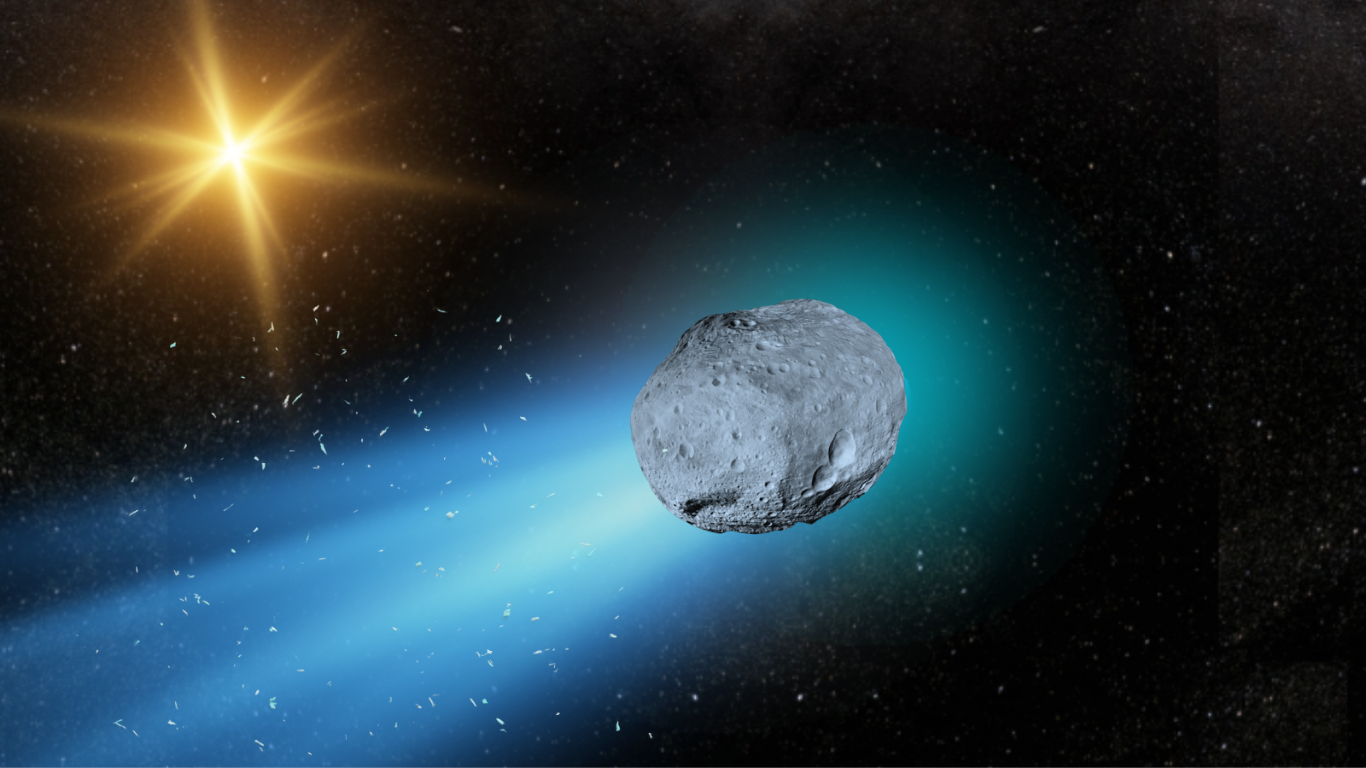
As the comet moved closer to the Sun, telescopes detected a bright coma forming around it. The warming caused its ices to release gas and dust. Observations from several space and ground instruments identified familiar elements such as water vapour, carbon dioxide, carbon monoxide and various dust particles. These findings match what is seen in many natural comets from our own system.
Early speculation suggested that 3I ATLAS might be alien technology because of odd brightness changes and a visible tail structure that did not behave in a typical way. However researchers have now concluded that these features are natural. The brightness variations were linked to uneven heating across the surface and the radio signals detected from the object were linked to natural emissions created as water molecules break apart in sunlight.
As the comet moves away from the Sun, scientists continue to track its behaviour and analyse the material it releases. Studying 3I ATLAS is important because it contains primitive matter that likely formed around a distant star billions of years ago. The comet’s brief visit allows astronomers to compare its chemistry with that of local comets and deepen understanding of how planetary systems form across the galaxy.
About the Author