Ravi Shastri refuses to shield Gautam Gambhir and says he would have acted differently if the situation occurred during his tenure
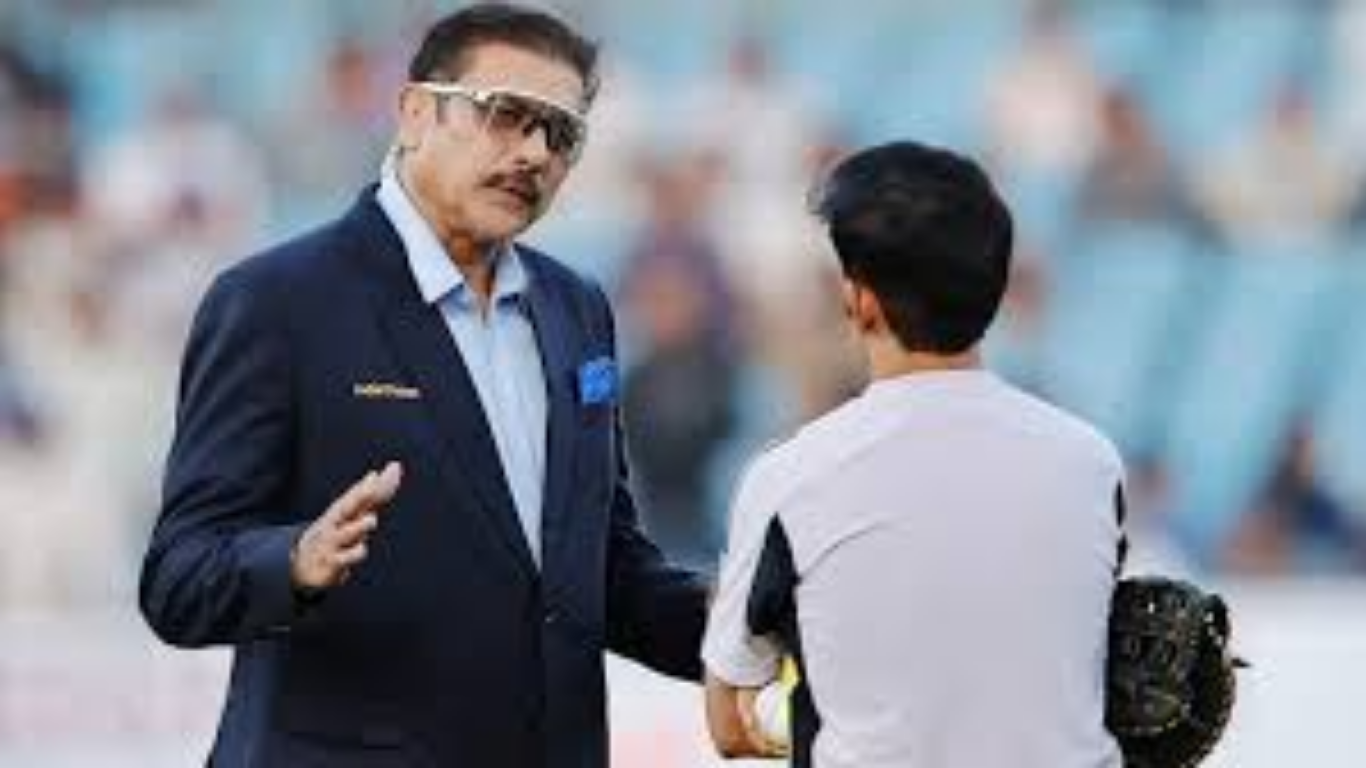
Ravi Shastri has refused to defend Gautam Gambhir over the team’s recent struggles and said that if the same situation had unfolded during his coaching tenure, he would have taken a very different approach. His remarks have added new fuel to the ongoing debate around India’s performance and leadership choices.
Former India head coach Ravi Shastri has spoken candidly about the criticisms directed at Gautam Gambhir following India’s recent performances. When asked whether Gambhir should be shielded from blame, Shastri chose not to defend him and instead said that leadership must always accept accountability, particularly during difficult phases. His comments immediately gained attention since Gambhir has been under pressure for the team’s inconsistent results.
Shastri noted that if these issues had taken place while he was coach, he would have addressed them with a firm hand and ensured complete clarity within the team environment. He explained that a coach must be proactive in identifying problems and resolving them quickly so that they do not affect player morale or on field execution.
He emphasised that strong communication remains essential for building trust within the squad. According to him, unclear roles or tactical confusion can lead to avoidable errors during matches. Shastri added that it is the job of the team leadership to maintain discipline and ensure that players understand what is expected from them in every format.
The comments come at a time when several former cricketers and analysts have been debating India’s leadership structure and recent strategic decisions. Shastri’s remarks are expected to intensify the discussion as fans consider how different coaching styles influence team culture.
The conversation around Gambhir’s future and the direction of India’s cricketing setup continues, with many calling for stability, clarity and cohesive planning ahead of upcoming international commitments.
About the Author