Mysterious red dots seen in the early universe may be atmospheres of ancient stars near black holes
Scientists have proposed that mysterious red dots seen in deep space surveys may represent atmospheres of stars that existed close to supermassive black holes in the early universe. This explanation could help solve a long standing puzzle about faint, red signals from the distant cosmos.
Astronomers have long been puzzled by tiny red dots detected in deep space images of the early universe. These faint signals did not match expected features of known cosmic objects such as galaxies or quasars. Recently, researchers led by Joel Leja at Penn State University have suggested a new explanation: the red dots may originate from atmospheres of stars located near supermassive black holes in primordial galaxies.
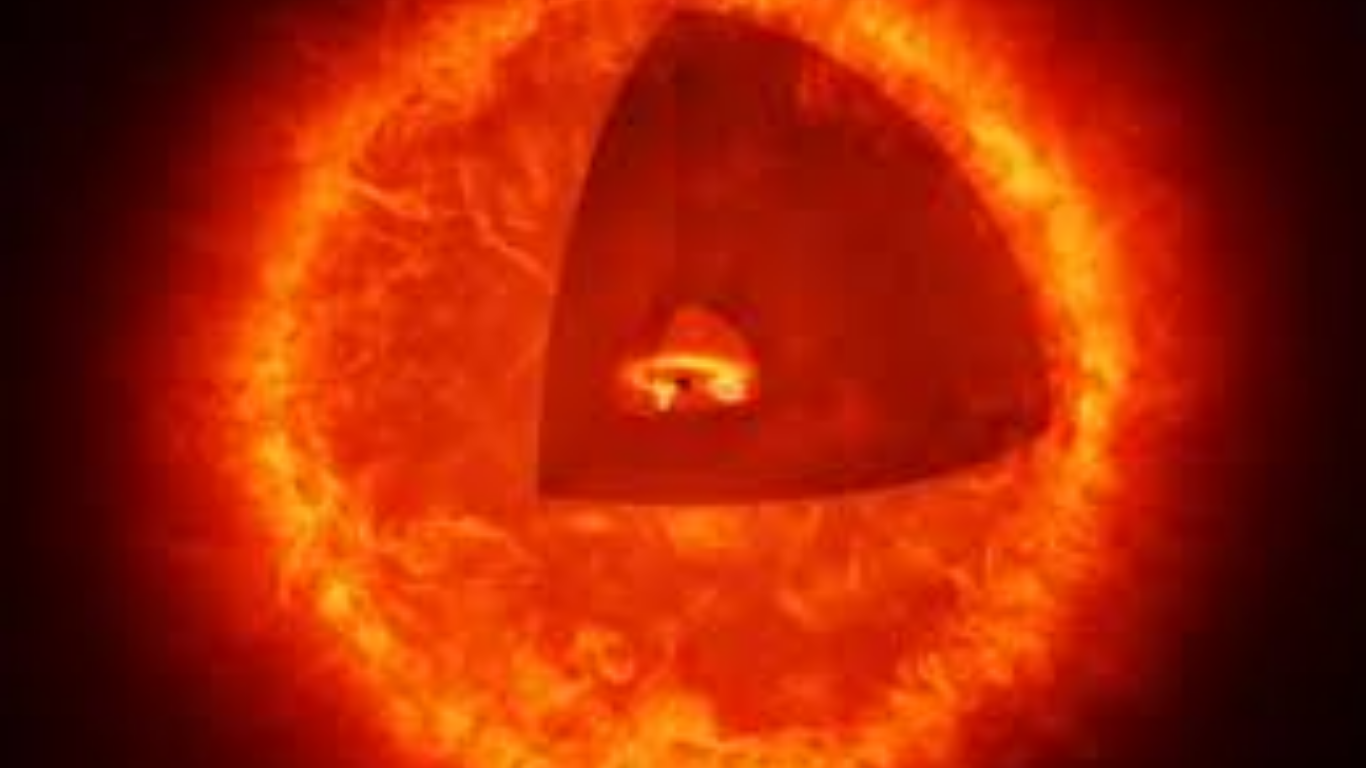
The early universe was a chaotic place, with galaxies forming rapidly and black holes growing at the centre of many of them. In regions close to a supermassive black hole, stars can experience intense radiation and gravitational effects that alter their outer layers. The new theory proposes that these conditions produce distinctive, red shifted light signatures. The result is very faint red points in deep field observations.
Such stars would have been among the first generations of stellar objects, existing within a few billion years after the Big Bang. Their proximity to a black hole could strip material from the stars or heat their atmospheres to extreme levels, changing how they emit light and creating the unusual signal that has puzzled astronomers.
To test this hypothesis, scientists are analysing data from powerful space telescopes and spectroscopic surveys that capture light from extremely distant objects. Spectral analysis can reveal the chemical fingerprints of stars and identify unique patterns that may match the predicted changes caused by black hole interaction.
If confirmed, this explanation would provide new insight into the environments around early supermassive black holes and the behaviour of stars in extreme conditions. It could also help refine models of galaxy formation and evolution in the first billion years of cosmic history.
Ongoing observations and future instruments with greater sensitivity will help researchers determine whether the red dots truly represent star atmospheres near black holes or some other exotic cosmic phenomenon. Either outcome promises to deepen our understanding of the universe’s earliest epochs and the complex interplay of gravity, light and matter in extreme environments.
About the Author