Has IndiGo’s dominance weakened India’s aviation system?
IndiGo’s massive market share has sparked concerns that India’s aviation system has become too dependent on one airline. The recent operational crisis revealed how even a partial breakdown in IndiGo’s network disrupts flight schedules nationwide and exposes weaknesses in the broader aviation ecosystem.
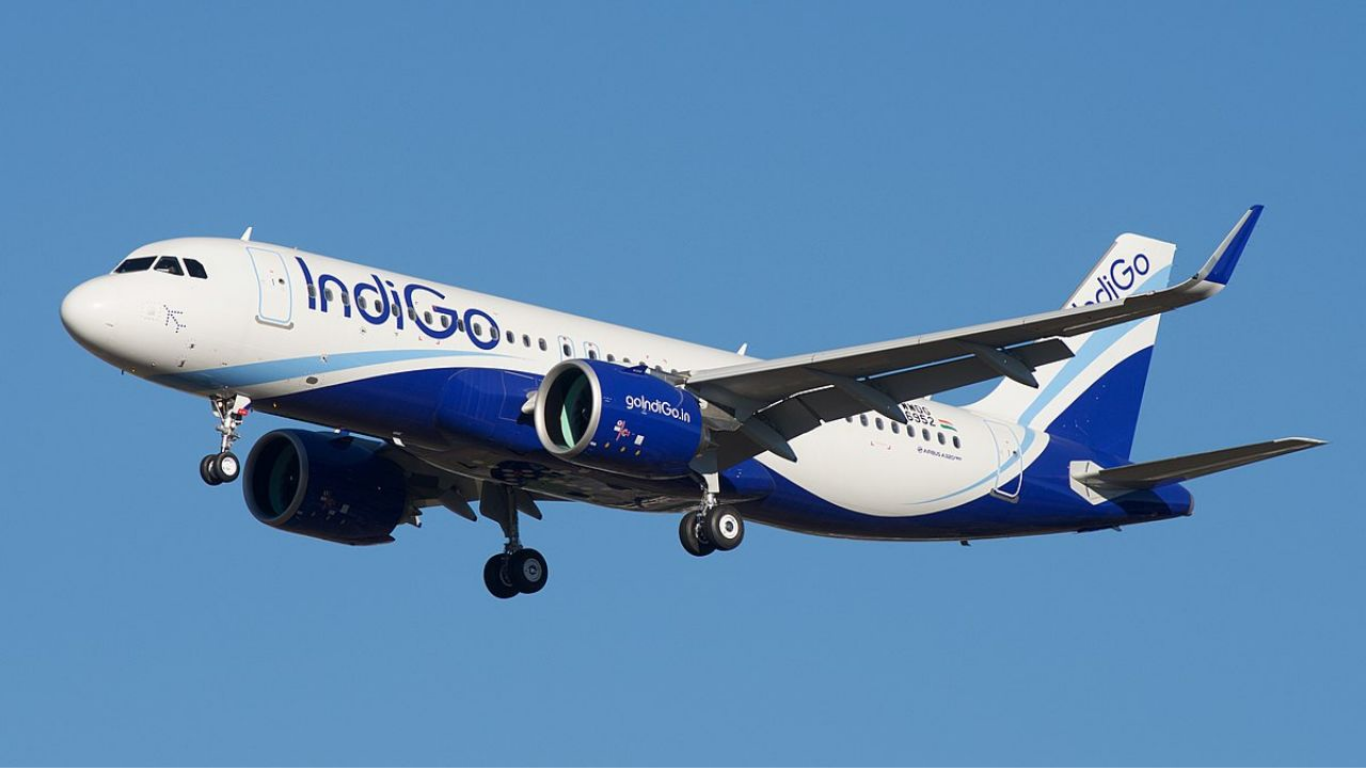
IndiGo controls more than half of India’s domestic aviation market, a position unmatched by any competing airline in the country. While the airline has grown rapidly and maintained consistent service over the years, its dominance has now raised serious questions about the resilience of India’s aviation sector. The recent series of flight cancellations across the country highlighted how disruptions at a single airline can paralyse passenger movement on a national scale.
Analysts point out that India’s aviation system relies heavily on IndiGo’s capacity for connectivity, crew strength and aircraft availability. When the airline faced a workforce shortage that triggered widespread cancellations, other carriers were unable to immediately absorb the sudden spike in passengers. This exposed gaps in competition, limited fleet depth at rival airlines and the absence of contingency buffers across the industry.
IndiGo’s size also gives it outsized influence in shaping schedules and routes. Smaller airlines often hesitate to expand aggressively in markets dominated by IndiGo due to operational costs and the risk of unsustainable competition. This reduces market diversity and can slow down overall sector growth.
Experts argue that a healthier aviation ecosystem requires stronger participation from multiple carriers, increased fleet expansion by competitors and policy interventions that encourage balanced competition. They note that IndiGo’s efficiency is not the issue on its own. The concern is structural risk. When a single player carries so much of the country’s travel load, any disruption can ripple across airports and affect millions of passengers.
The government and regulators may need to refine long term strategies, including capacity planning, workforce standards and incentives for new entrants. The goal is to ensure that no single operational breakdown can destabilise the entire aviation network. The recent crisis serves as a reminder that India’s aviation future depends on wider distribution of capacity and more robust competition.
About the Author