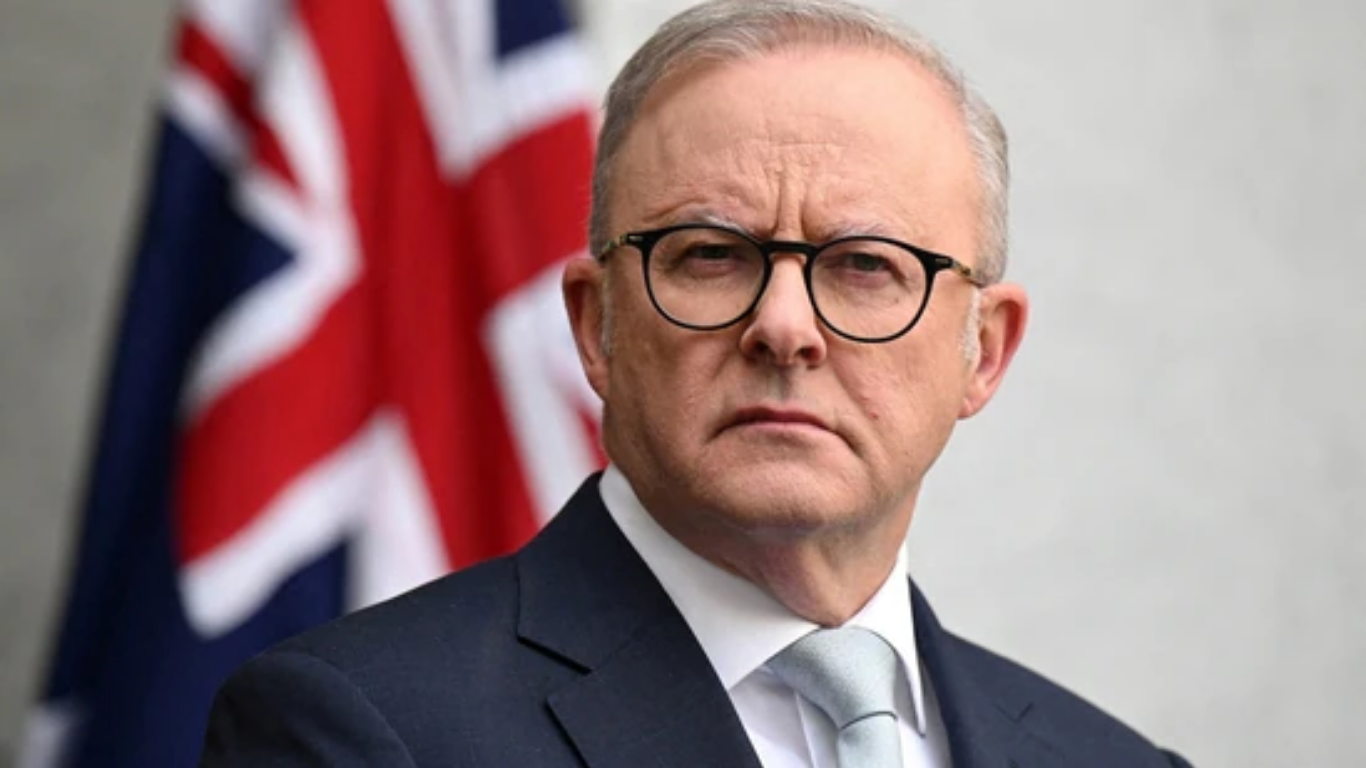
Australian PM backs social media ban for under 16 as government moves to curb Big Tech influence
Australian Prime Minister Anthony Albanese has backed a proposal to ban social media access for children under 16, saying the government must take back control from Big Tech and protect young users from online harms.
Australia is moving closer to imposing strict age limits on social media use after Prime Minister Anthony Albanese expressed full support for banning children under 16 from accessing major platforms. Albanese said the proposal reflects growing concern among parents, educators and experts about the mental health impact of social media and the inability of Big Tech companies to regulate harmful content effectively.
The Prime Minister stated that governments must reclaim authority from tech giants that, in his view, have failed to prioritise user safety. He emphasised that Australia cannot outsource the responsibility of protecting children to private companies driven by commercial incentives.
The proposed policy includes verified age checks, restrictions on account creation and stronger compliance requirements for platforms such as Instagram, TikTok, Snapchat and others. Authorities are considering a legal framework that would make it mandatory for social media companies to implement robust verification systems rather than relying on self declaration.
Supporters of the ban argue that early exposure to social media increases risks of cyberbullying, anxiety, addictive behaviour and exposure to harmful content. They say a clear age threshold can help parents regulate screen time and shield young children from intense online environments.
Critics, however, caution that a ban alone may not be effective without broad digital education programs and parental involvement. Some experts also warn about potential privacy concerns linked to age verification technologies.
The government is expected to release more detailed plans in the coming months as it works with child safety bodies, technology experts and lawmakers. Australia’s move is being closely watched globally as debates over youth mental health and Big Tech accountability continue to intensify.
About the Author