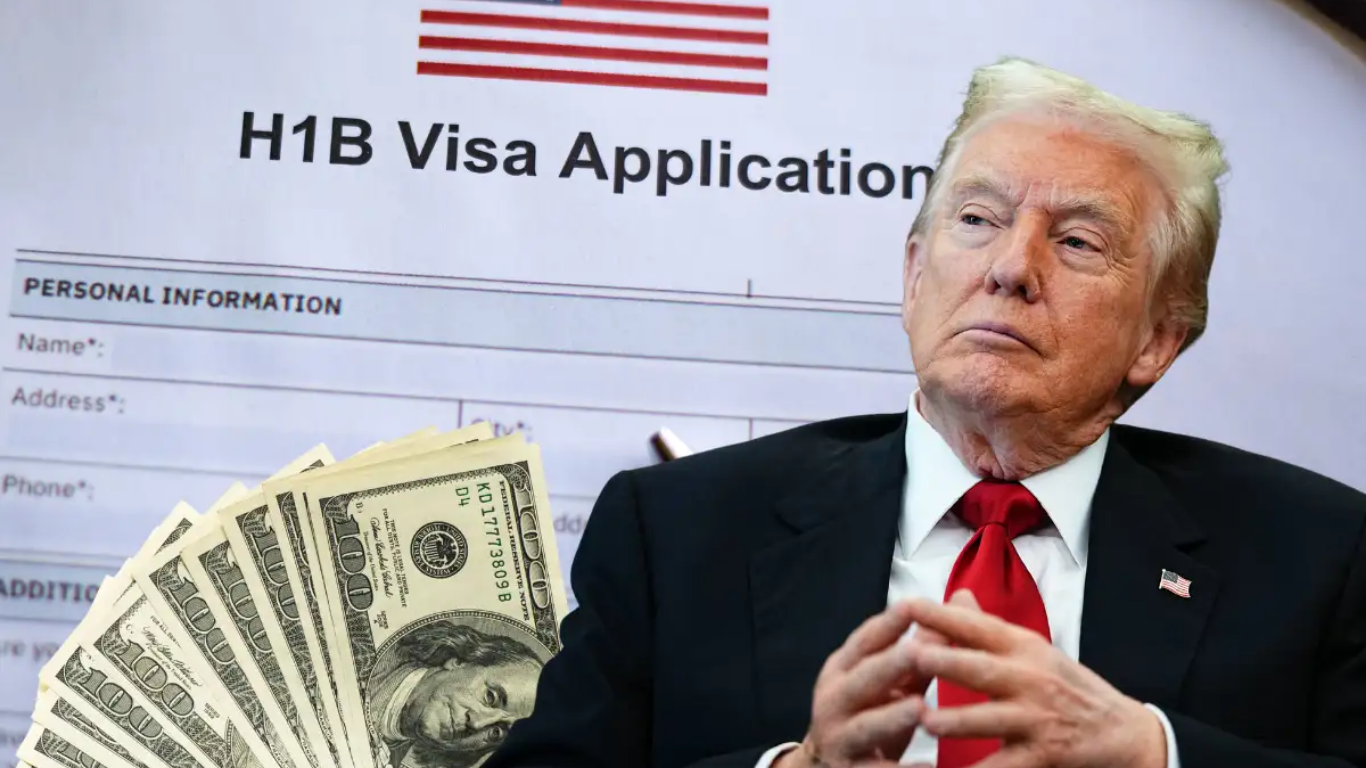
Donald Trump’s $100,000 H-1B visa fee faces legal challenge from US states
Several US states have filed a legal challenge against the recently introduced $100,000 H-1B visa fee linked to the Trump era policy. They argue the high cost will burden employers, distort the labour market and harm state economies as courts prepare to review the case.
A group of US states has challenged the controversial $100,000 fee attached to H-1B visas, a policy that was reinstated under former President Donald Trump and remains in effect. The legal action argues that the high fee will negatively impact businesses that rely on specialised foreign workers and will create economic harm for states that depend on tech and innovation industries.
The lawsuit claims that the fee unfairly penalises employers who hire H-1B professionals, many of whom fill critical roles in technology, healthcare and research sectors. States filing the challenge say that the increased cost could discourage companies from expanding operations and hiring highly skilled workers from abroad. They also argue this could prompt relocation of firms to countries with more favourable immigration policies.
Supporters of the fee maintain that it is intended to ensure that foreign workers do not undercut American wages and that companies prioritise hiring domestic talent. However, state officials contend that the policy could backfire by making it harder for local employers to fill specialised job openings, slowing economic growth in key sectors.
The legal challenge has attracted attention from industry groups and business organisations that have also expressed concern about the impact of the visa fee on competitiveness. Many companies say that H-1B talent is crucial to innovation and maintaining global leadership in areas such as information technology, biotechnology and advanced manufacturing.
The case is now headed to the federal courts, where judges will consider whether the fee policy is lawful and whether it should be blocked or modified pending further review. Legal experts predict that the challenge could set a significant precedent on the limits of executive authority in shaping immigration policy and the balance between national labour priorities and state economic interests.
As the controversy unfolds, both supporters and critics of the fee are likely to step up advocacy efforts, highlighting broader debates over how to regulate skilled immigration while protecting American workers and supporting economic growth.
About the Author