India’s energy transformation from power scarcity to sustainable growth
India is transitioning from past power scarcity to a future of sustainable growth by expanding renewable energy capacity, upgrading infrastructure and implementing policy reforms that support cleaner, reliable and affordable energy for all sectors of the economy.
India’s energy sector has undergone a significant transformation over recent years, moving from an era of power scarcity to one focused on sustainable and reliable growth. This shift is driven by a combination of strong policy support, expansion of renewable energy sources and large investments in energy infrastructure.
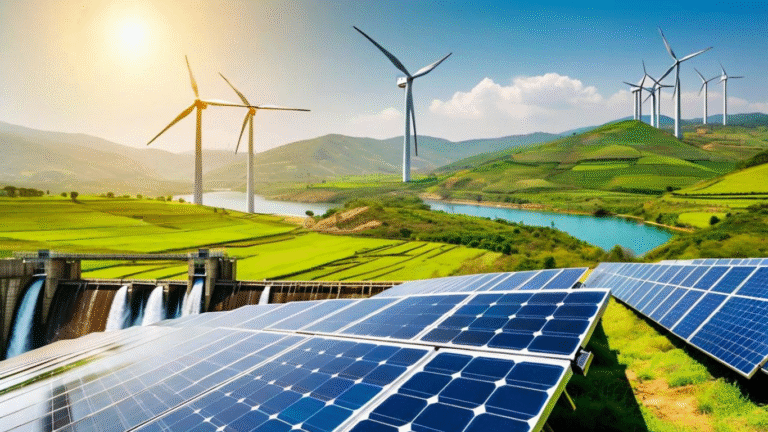
One of the key elements in this transformation has been India’s push to expand its renewable energy capacity. Solar and wind power installations have risen rapidly, backed by government targets and incentives that encourage both public and private sector participation. The expansion of renewables is helping to diversify India’s energy mix and reduce dependence on fossil fuels, while also lowering carbon emissions.
Infrastructure development has played a major role in addressing past power shortages. Upgrades to transmission and distribution networks have reduced losses and improved efficiency, making electricity more accessible across urban and rural areas. Implementation of smart grid technologies and improved management systems has also strengthened overall reliability.
Policy reforms have been central to the progress. Regulatory initiatives, reforms in power market operations and financial support schemes have created an environment conducive to investment. Simplified clearances, competitive bidding for power projects and reforms in tariff frameworks have attracted global investors to India’s energy sector.
The transition is not only about increasing generation capacity but also about ensuring sustainability and affordability. Energy storage solutions, hybrid renewable installations and adoption of clean technologies are part of the country’s roadmap toward a resilient power system. The focus on sustainable energy supports India’s climate commitments while addressing growing demand from industry, households and transportation.
Indian states are also playing a role by designing local strategies that align with national goals. Partnerships between state and central bodies aim to improve energy planning, promote efficient use of resources and integrate distributed energy systems.
Experts say that while challenges remain, including financing gaps and grid integration issues, India’s progress in energy transformation reflects strong momentum. With continued investments and policy clarity, the energy transition is expected to support long term sustainable growth, enabling the country to meet climate goals and provide reliable power to its expanding economy.
In summary, India’s shift from power scarcity to sustainable energy growth highlights the combined impact of infrastructure expansion, renewable energy scaling and forward-looking policies that are reshaping the nation’s energy future.
About the Author