Manjinder Singh Sirsa criticises Delhi ministers for pollution, slams AAP amid poor air quality
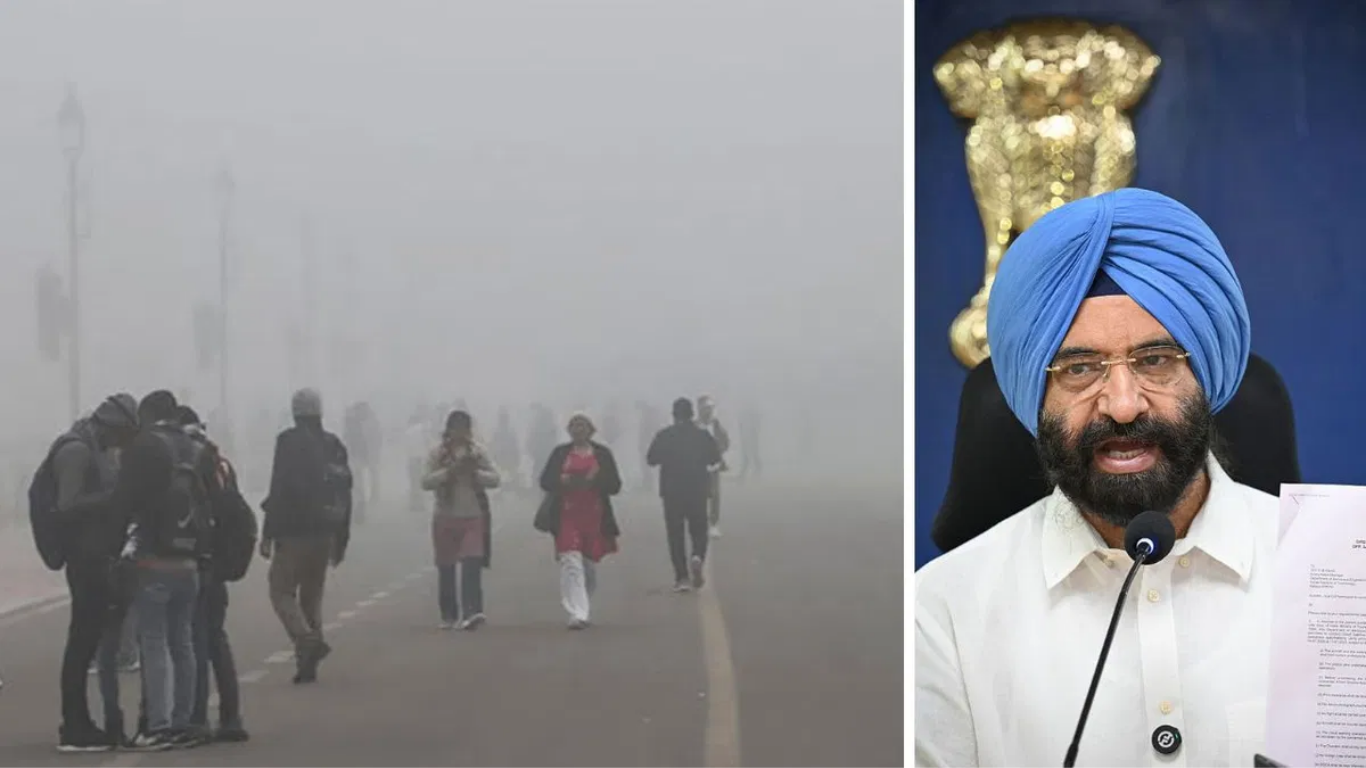
Manjinder Singh Sirsa criticised Delhi ministers for the city’s rising air pollution even as they apologised for hazardous air quality. Sirsa took aim at the AAP government, saying more effective action is needed to protect residents from pollution.
Manjinder Singh Sirsa has publicly criticised Delhi ministers over the worsening air quality in the capital. While the ministers offered an apology for the hazardous pollution levels that have affected daily life, Sirsa also took the opportunity to target the Aam Aadmi Party government, saying that words alone are not enough to address the serious air quality crisis.
Delhi’s air quality has hit unhealthy levels in recent days, forcing authorities to implement pollution control measures and issue health advisories. Residents have reported smog, poor visibility and breathing discomfort, especially among vulnerable groups such as children and the elderly.
In response, Delhi ministers acknowledged the situation and apologised to residents for the poor air quality. They said the government is taking steps under the Graded Response Action Plan and other pollution control strategies to mitigate harmful emissions. Their apology was meant to express concern and reassure the public that efforts are underway.
However, Sirsa said he accepted the apology with reservations and criticised the government for what he described as inadequate action. He said that the people of Delhi deserve stronger, more effective solutions and that merely apologising does not address the root causes of pollution, including vehicle emissions, dust from construction and burning of waste.
Sirsa’s comments reflect broader political debate in the city as the air quality issue becomes a major public concern. Opposition leaders have called for clearer timelines, stricter enforcement and better coordination between municipal bodies, the Delhi government and central agencies to tackle pollution more decisively.
Environmental activists and health experts have also underscored the urgency of implementing long-term pollution control strategies, improved monitoring and public awareness campaigns. They say that structural changes, cleaner fuels and stronger regulations are needed to reduce the impact of smog and particle pollution on public health.
As political figures continue to debate responsibility and solutions, Delhi residents are advised to follow health guidance, limit outdoor exposure during peak pollution hours and use protective measures such as masks and air purifiers.
The criticism and ongoing discussions highlight how air quality remains a contentious and pressing issue in the national capital, with pressure mounting on authorities to produce tangible progress rather than just statements.
About the Author