Supreme Court asks NHAI and MCD to consider shifting or closing nine toll plazas at Delhi borders over air pollution
The Supreme Court has directed the NHAI and the Municipal Corporation of Delhi to examine whether nine toll plazas at Delhi’s borders should be shifted or closed to reduce air pollution. The court raised concerns over traffic congestion and emissions worsening the capital’s air quality.
The Supreme Court has asked the National Highways Authority of India and the Municipal Corporation of Delhi to consider shifting or closing nine toll plazas located at Delhi’s borders as part of efforts to tackle severe air pollution in the national capital. The direction came during a hearing on measures to curb vehicular emissions and improve air quality.
The court observed that toll plazas at city entry points often lead to long traffic queues, resulting in idling vehicles and higher emission levels. Judges noted that congestion caused by toll collection contributes significantly to pollution, particularly during peak hours when thousands of vehicles enter and exit the city.
The Supreme Court asked authorities to assess whether relocating these toll plazas further away from the city or shutting them down altogether would help ease congestion and reduce pollution levels. It also sought details on alternative mechanisms for toll collection that would not obstruct traffic flow.
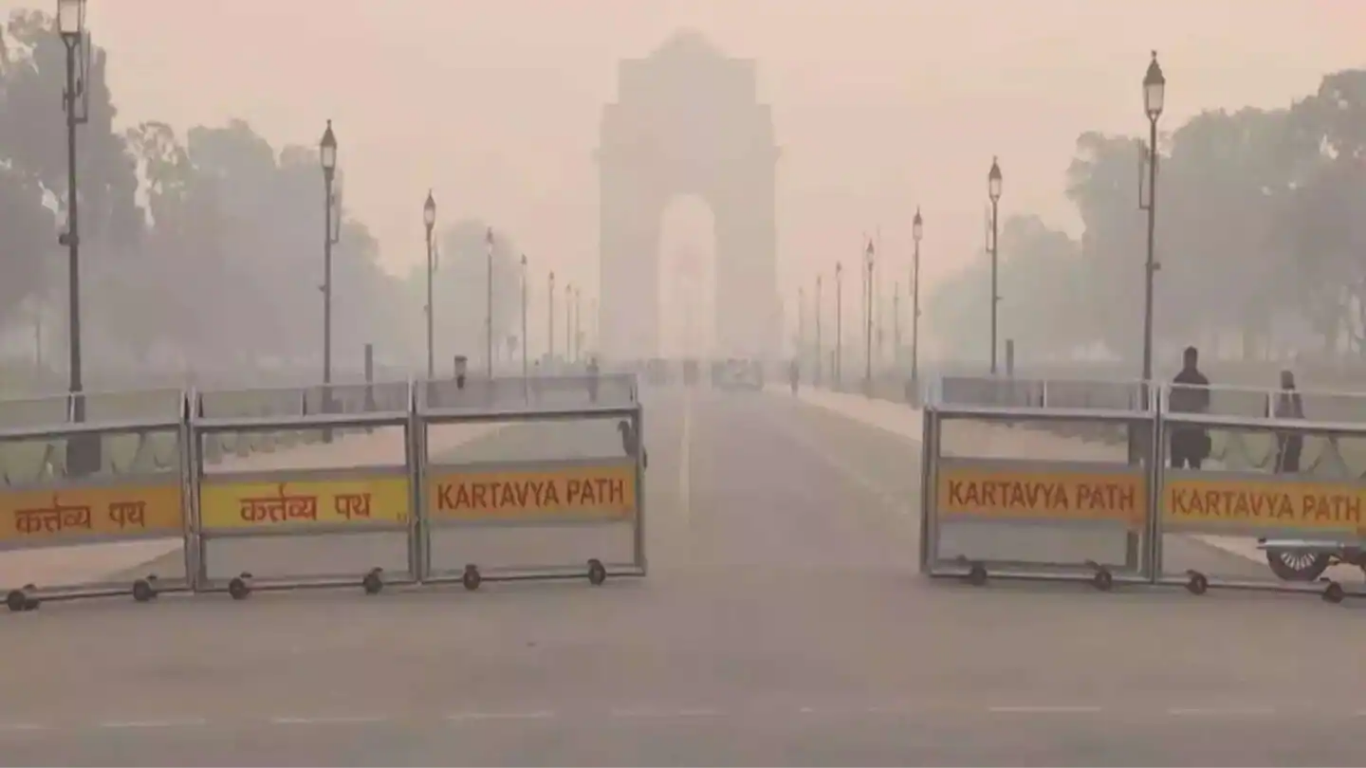
The court expressed concern over the recurring winter pollution crisis in Delhi and stressed the need for structural and long term solutions. Vehicular pollution remains one of the major contributors to poor air quality, alongside dust, industrial emissions and stubble burning.
Officials from NHAI and MCD were asked to place their responses on record after examining the feasibility of the proposal. The court made it clear that protecting public health must take priority and that administrative inconvenience cannot outweigh the need for clean air.
Environmental experts have long argued that congestion at toll points worsens pollution by increasing fuel consumption and emissions. Many have suggested cashless toll systems, better traffic management and relocation of toll collection points as possible solutions.
The Supreme Court’s observations add to growing pressure on authorities to take decisive action ahead of peak pollution periods. Any move to shift or close toll plazas could have a significant impact on daily commuters and transport operators, but the court emphasised that public health concerns must come first.
The matter is expected to come up for further hearing after NHAI and MCD submit their assessments. The outcome could shape future policy decisions on traffic management and pollution control at Delhi’s borders.
About the Author