DRS and Snicko drama spark controversy during third Ashes Test between England and Australia
The third Ashes Test between England and Australia was marked by major controversy after disputed DRS and Snicko decisions became central talking points. Conflicting interpretations of technology led to frustration on the field and reignited debate about the limits of decision review systems in high pressure Test cricket.
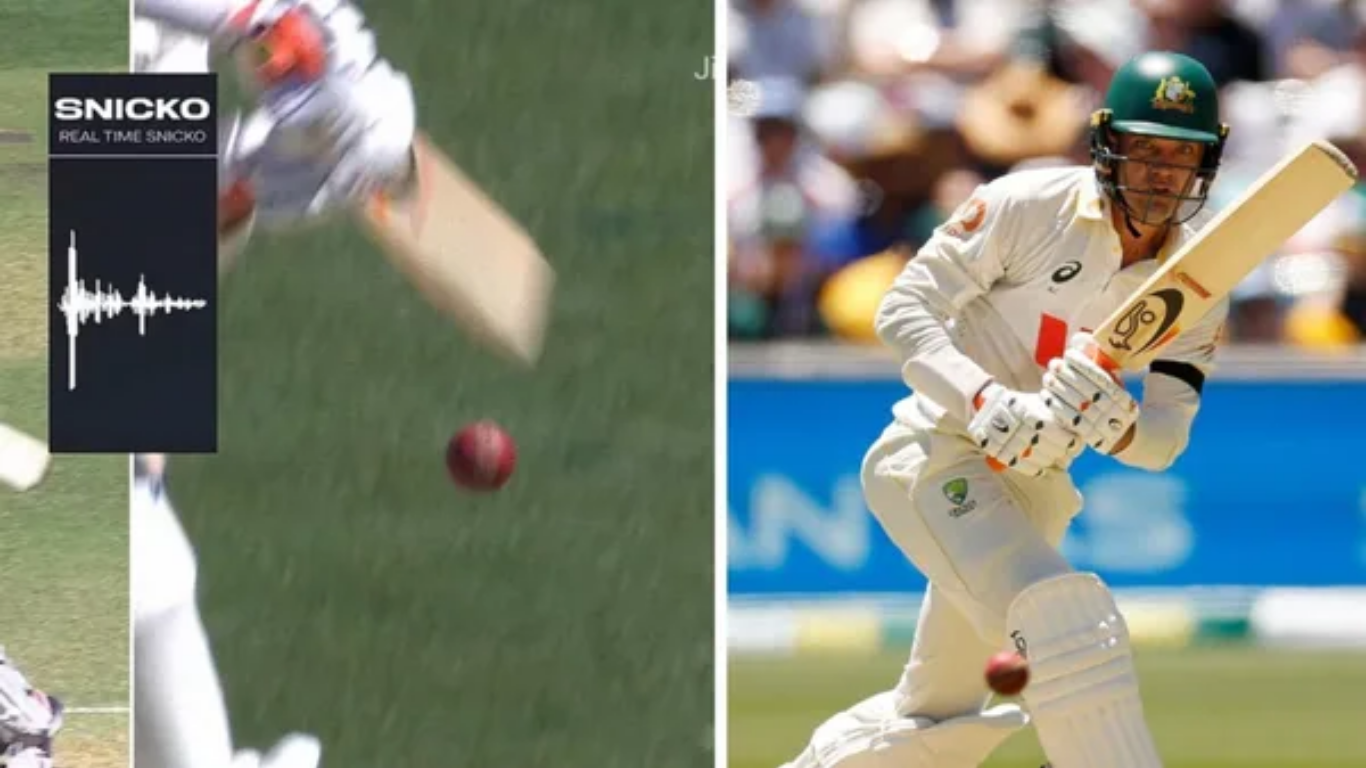
The third Ashes Test witnessed intense drama off the bat as disputed DRS and Snicko calls dominated discussion and shifted focus away from pure cricketing action. Key decisions involving faint edges and unclear audio signals left players, commentators and fans divided, turning technology into the central figure of the match.
The controversy arose when England challenged on field umpiring decisions, only for replays and Snicko readings to produce inconclusive or conflicting evidence. In some instances, visual replays suggested minimal contact, while audio spikes on Snicko raised questions about whether the sound came from the bat, pad or ground. The lack of absolute clarity fuelled disagreement and visible frustration among players.
Australian players expressed concern over how marginal calls were interpreted, arguing that technology should provide certainty rather than add ambiguity. England, meanwhile, defended their use of the review system, stating that teams are entitled to challenge decisions within the laws and make full use of available technology.
Umpires found themselves under scrutiny as they balanced on field judgement with technological input. The incidents highlighted the challenge officials face when technology does not offer definitive answers. In such cases, the original decision becomes crucial, often leaving one side feeling aggrieved.
The episodes reignited broader debate around the reliability and consistency of DRS tools such as Snicko and UltraEdge. Critics pointed out that environmental noise, equipment sensitivity and broadcast limitations can affect readings, especially in packed stadiums. Others argued that despite imperfections, technology remains an improvement over purely subjective decisions.
Former players and experts weighed in, calling for clearer protocols and improved communication between umpires and technology operators. Some suggested better explanation of decisions to players and audiences to reduce confusion and tension during critical moments.
While the Ashes rivalry thrives on intensity and drama, the focus on officiating overshadowed passages of excellent cricket. The controversy served as a reminder that even with advanced tools, human judgement continues to play a vital role in the game.
As the series progresses, attention will remain on how DRS is applied and whether lessons from the third Test lead to greater clarity. For now, the Snicko drama has added another chapter to the long history of Ashes controversies, reinforcing how fine margins and technology can shape the narrative of elite Test cricket.
About the Author